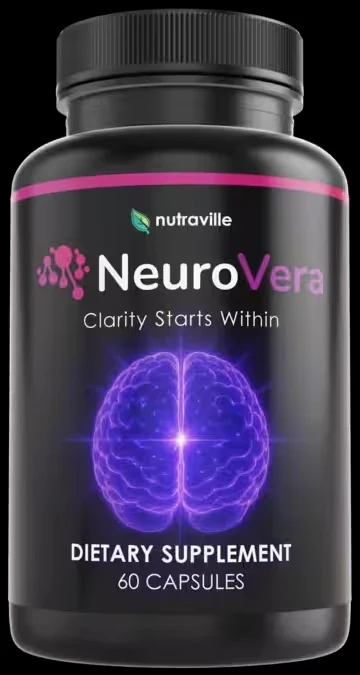
NeuroVera ingredients: three descriptions that need reconciliation
The inspected seller presentation names Schisandra, gotu kola, shilajit, Lion’s Mane and Bacopa. Its FAQ refers to nine ingredients. A third-party photographed panel shows six actives, including DHA. These descriptions cannot all be treated as the same complete formula without a version explanation.
Joe Cannon’s photographed-label review is the source of the amounts below. We did not authenticate its bottle against the currently shipped batch. The table records that observation rather than asserting what every order contains.
| Listed active | Reported amount per two capsules | Specification shown / question |
|---|---|---|
| Lion’s Mane | 500 mg | Mushroom; material and extraction detail need confirmation |
| Schisandra | 250 mg | 10:1 extract; species and marker details matter |
| Gotu kola | 200 mg | Confirm whether powder or standardized extract |
| Bacopa | 100 mg | Bacoside standardization not established here |
| Shilajit | 75 mg | 40% fulvic acid reported; batch purity still requires testing |
| DHA preparation | 25 mg | 10% DHA reported; confirm whether amount is preparation or active DHA |
The missing pieces include other ingredients, capsule material, allergen statements, botanical species, serving count and responsible business details. Front packaging and ingredient illustrations cannot supply those fields.
What the label arithmetic can and cannot tell you
If the photographed amounts apply to the same serving, their total is 1,150 mg. That arithmetic adds the listed quantities; it does not independently measure capsule contents or establish a proprietary-blend total. Dividing a stated two-capsule serving in half estimates an average, not laboratory uniformity between individual capsules.
If “25 mg, 10% DHA” refers to a preparation containing ten percent DHA by mass, the implied DHA amount would be 2.5 mg. If the 25 mg instead describes active DHA with a separate carrier statement, that calculation would be wrong. Ask for the label wording and specification before interpreting it.
Similarly, multiplying 250 mg by a 10:1 extraction ratio does not make it equivalent to a clinical dose of a different extract. Extraction solvent, plant part and retained constituents can change the material. A ratio describes a manufacturing relationship, rather than a guaranteed clinical potency.
Read each component as a specific material
Bacopa and Lion’s Mane
Bacopa comparisons need the extract’s standardized composition as well as milligrams. The Calabrese Bacopa study evaluated a standardized 300 mg daily preparation, not this mixed product. The observed 100 mg entry would not establish equivalence; taking more capsules to match a study would also increase the other ingredients.
The Mori Lion’s Mane trial abstract describes mushroom dry-powder tablets. A mushroom name alone does not tell you whether NeuroVera uses comparable material, mycelium, fruiting body or an extract. Such distinctions affect whether a study comparison is meaningful.
Schisandra and gotu kola
Confirm the botanical species and preparation for Schisandra. Different species should not silently share the same research evidence. For gotu kola, a powder and an extract with quantified triterpenes are different specifications. Its traditional use cannot resolve either identity or clinical benefit in this bottle.
Shilajit and DHA
Shilajit needs both identity and contaminant documentation; a fulvic-acid percentage is not a substitute for a batch test. DHA needs an identifiable source and an unambiguous active amount. Ask whether the source has relevant allergen implications rather than inferring it from “plant based” marketing.
What a useful batch document should contain
Request a certificate that identifies the finished product and lot number, the laboratory, test date, measured analytes and acceptance limits. A generic quality statement or a certificate for one raw ingredient leaves the mixed batch untested. Even a genuine batch certificate answers composition questions rather than proving memory improvement.
Check whether the certificate corresponds to the lot you would receive. If a seller sends an undated report without a traceable lot or laboratory, record that gap rather than treating the document as a pass. See the seller and testing verification guide for a document checklist.
NIH’s consumer supplement guide explains label fields and the distinction between quality testing and effectiveness. This is general guidance, not a certification of NeuroVera.
Ingredient visuals are identification aids

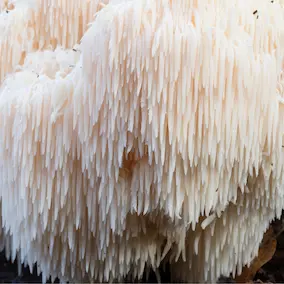
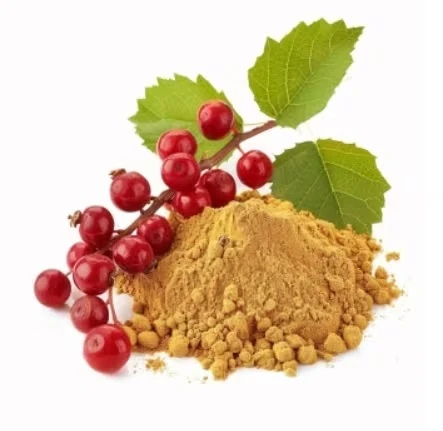
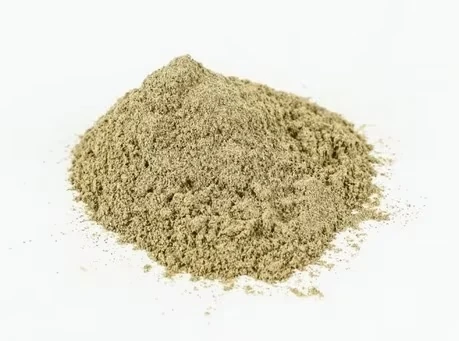
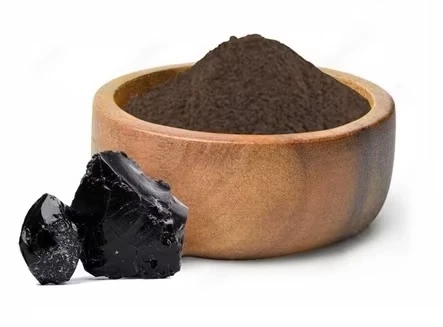
These supplied images do not establish botanical species, extraction method, dose or purity. We include them to help readers recognize the discussed components, without presenting them as laboratory evidence.
Keep purchase information separate from evidence
This optional affiliate route lets readers inspect the current offer and written terms. It does not resolve label gaps, establish a result or provide personal safety clearance.
Inspect Offer Details and TermsTurn the formula question into a practical request
Ask for a readable photograph of every panel on a current bottle, the lot and expiry information, and an explanation of the ingredient-count mismatch. Keep the response with the order record. If the panel differs from the formula researched here, the assessment needs updating before you rely on it.
Once identity is established, use the effectiveness evidence guide to compare research and the safety guide to prepare questions for a pharmacist. A complete label enables those assessments; it does not automatically complete them.
Questions about Ingredients & Label
Is the six-ingredient table the confirmed current formula?
No. It records a third-party photographed panel. A readable current batch label and version explanation are still needed.
Can I judge strength by adding the milligrams?
The sum describes reported mass only. Different materials have different compositions; a larger total is not a clinical effectiveness ranking.
Should I increase capsules to match an ingredient trial?
No dosing recommendation follows from that comparison. Increasing the blend also increases every other active and may create additional risks.
How this guide was assessed
Formula version and extract identity must precede dose comparisons.
We compared the available product descriptions with the source types discussed above. Missing batch identity, clinical appraisal or transaction verification is identified where it affects the answer. No hands-on use, customer survey or independent laboratory test was conducted.
Our Editorial Methodology explains the review process; the Sources Policy explains source selection.
Your next decision
The most useful next step is obtaining a current full label and batch-linked specification. Until then, treat amount comparisons as conditional observations, not a reason to buy or increase a serving.
Return to the full independent review
Visit the product overview and purchase orientation
Readers who choose to inspect purchase terms can use this affiliate route. An offer page is not clinical evidence.
Inspect the Current Offer